Note: This article does not constitute financial advice. The ideas shared are exploratory and based on ongoing research and interest in the space.
The appearance of cryptocurrency in 2009 resulted from the convergence of like-minded individuals and the idea of free digital money on the internet. A community of enthusiasts, inspired by their ability to utilize self-developed tools and existing knowledge to create a new asset class, continues to develop this transparent economy today.
A deeper examination of blockchain and monetary flows within it reveals that crypto-thinking is essentially anarchic in nature. Anarchy, in this context, implies the rejection of centralized authority.
History demonstrates that without political will, the mass adoption and implementation of new technologies is impossible. The situation becomes particularly complex when these technologies undermine state influence and directly challenge government control over currency issuance. After all, a national currency serves as a measure of state power no less than military strength does.
For approximately 15 years, cryptocurrency remained on the periphery of political interest. Today, however, leading nations have begun developing regulatory frameworks for this new market. Notable examples include:
- China’s complete ban on mining
- Russia’s legalization of mining with special regional requirements and mandatory registration of miners in a dedicated registry
- The European Union’s ongoing development of blockchain-focused regulations for businesses
The list continues.
While relevant government bodies are actively working on these issues and politicians increasingly mention Bitcoin, cryptocurrency, and blockchain in their speeches, national leaders have yet to include cryptocurrency market development as a key element in their official programs.

The cryptocurrency market’s capitalization has grown steadily, paralleled by increasing public attention to developing digital opportunities. This trend became particularly pronounced during the COVID-19 pandemic when the world was forced to transition to remote communication and work.
In what many experts consider the world’s most powerful economy – the United States – cryptocurrency has been discussed prominently, though often in a negative context. During Joe Biden’s presidency (2020-2024), dozens of cases were initiated against leading crypto organizations and projects. Several of these proceeded to trial with subsequent enforcement of penalties.
A new political era
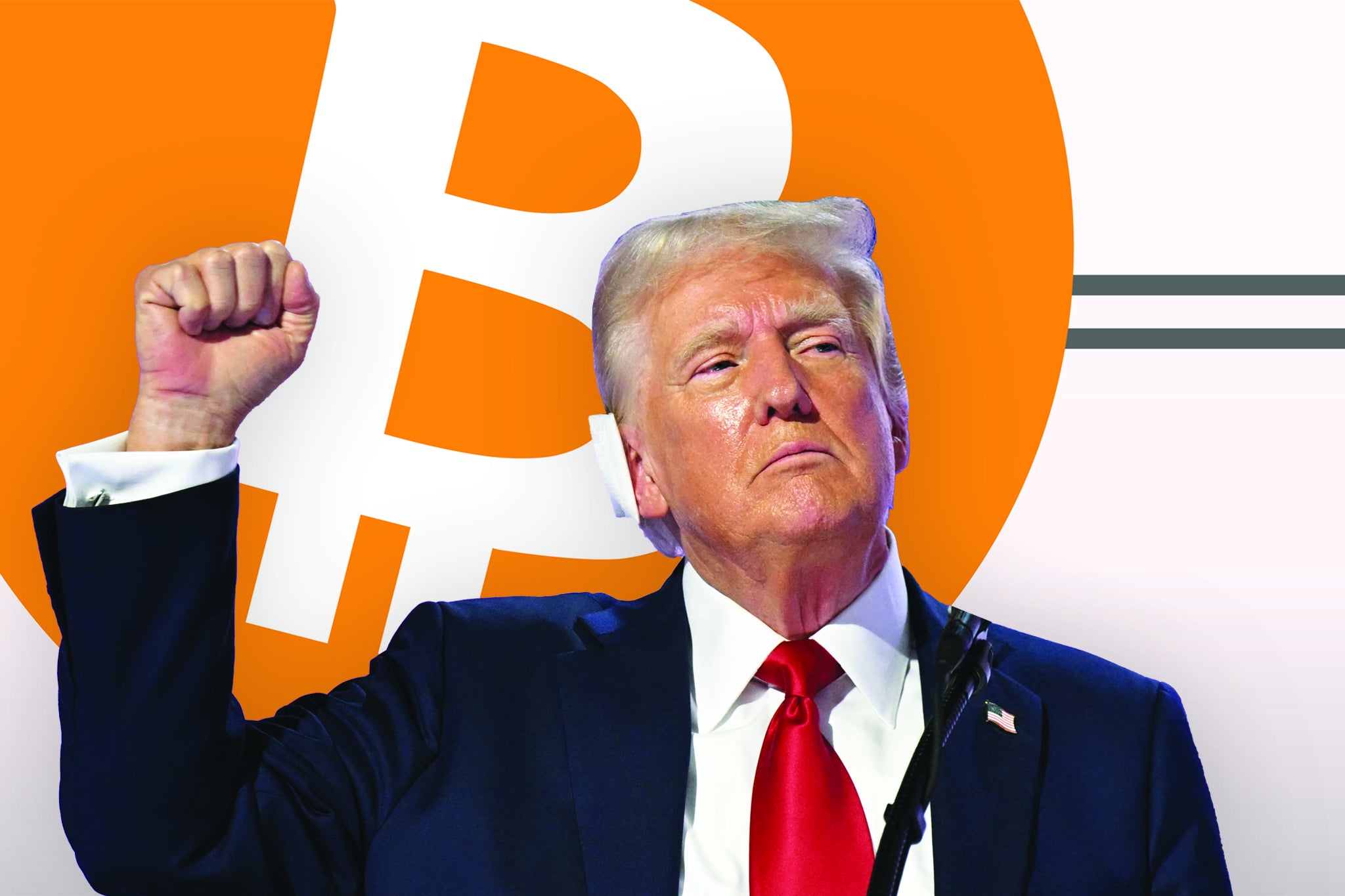
Fifteen years after its emergence, cryptocurrency has finally become a political bargaining chip in electoral campaigns. In 2024, Donald Trump made support for the crypto industry part of his campaign platform. He even participated in one of the largest cryptocurrency conferences – Bitcoin 2024 in Nashville – thereby drawing attention to his economic vision and his administration’s ambition to establish the U.S. as a global crypto hub for young Americans and international enthusiasts alike. This represented a particularly astute strategic move. Where government stance had previously been predominantly oppositional, we are now witnessing a complete paradigm shift.
 The information in this website is provided only for education and informational purposes.